Cosmetic Manufacturers: A Practical Guide to Choosing the Right Manufacturing Partner in India
Finding the right cosmetics manufacturing partner can save you months of trial, rework, and avoidable cost. If you are building a new beauty line or scaling an existing one, the real question is not just who can make products. It is who can make them consistently, compliantly, and in a way that supports your brand goals.
This guide is for startup founders, distributors, salon owners, D2C brands, and marketing teams looking for reliable cosmetic manufacturers in India. You will learn:
- what to check before finalizing a manufacturer
- how product capability and compliance affect your launch timeline
- where Jack Cosmetic Pvt. Ltd. fits for private label and custom development
- what practical differences exist between local units and structured manufacturers
Many brands from Mumbai, Delhi, Bangalore, Hyderabad, Chennai, Surat, and Ahmedabad learn this only after delays begin. A good manufacturer reduces friction from day one.
Why Choose Jack Cosmetics for Cosmetic Manufacturers
The best manufacturing partnerships are built on process, not promises. Jack Cosmetic Pvt. Ltd., established in 2018, operates from Survey no.324 paiki Plot no. 10/A, Near Paradise Industrial Park, Village – Chachrawadi Vasna, Sarkhej Bavla Road, Ta. Sanand, Dist. Ahmedabad, Gujarat – 382213, India. The company is led by an experienced team with deep formulation expertise and has delivered custom cosmetic manufacturing solutions to 200+ brands with 98% client satisfaction and strong repeat business. You can review the company profile here: Jack Cosmetics.
Yes, buyers often search for third party cosmetics manufacturing near me, but proximity alone does not solve formulation issues, packaging mismatches, or stability concerns. What matters more is whether your partner can support custom formulation, regulatory paperwork, scalable batches, and clear production planning. That is where Jack Cosmetics becomes relevant for growing brands across Jaipur, Chandigarh, Kolkata, Pune, Indore, and Vadodara.
Here’s what brand owners usually look for in one place: Private Label Cosmetics Manufacturer India, white label support, a low MOQ cosmetics manufacturer, pan-India supply, and practical launch guidance. In many real cases, founders start with one SKU, then add body lotion, shampoo, face wash, beard oil, lip balm, or sunscreen only after the first batch performs well in the market.
A small example from the market: one salon-linked brand from Surat initially wanted only a herbal face pack. Within four months, customer demand pushed them toward a fuller personal care range. Because their manufacturer had formulation depth and batch planning discipline, they added adjacent products without changing vendors midway. That kind of continuity matters more than most first-time founders realise.
Our Cosmetic Manufacturers Manufacturing Capabilities
Yes, we provide a broad production approach that suits both early-stage and established labels. The capability is not limited to one category. It usually covers skin care manufacturing, body care, hair care third party manufacturer requirements, lip care manufacturing, sun care products, oral care products, men’s grooming range, and select natural & organic cosmetics based on brand positioning.
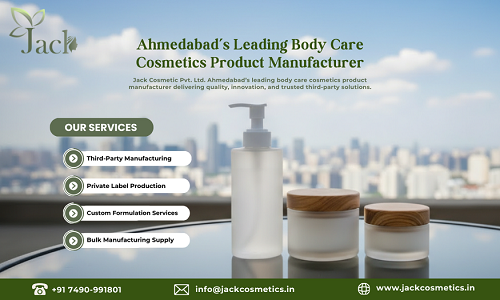
For brands entering body care, this page gives a good idea of category direction: body care third party cosmetic product manufacturer. In practice, body lotions, creams, butters, scrubs, and wash formats often need different viscosity handling, filling choices, and packaging compatibility checks before commercial runs begin.
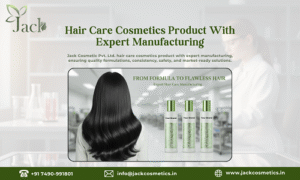
For hair-focused labels, ingredient performance and texture are where many projects succeed or fail. A founder from Bangalore may want a sulphate-free shampoo, while a distributor in Delhi may need a mass-premium oil-serum hybrid with stable fragrance retention. That is why hair care third party cosmetic product manufacturer capability should include development support, trial refinement, and scale-up consistency.
Sun care is even more sensitive. SPF claims, texture, skin feel, and packaging behavior all require attention before launch. Brands exploring sun care third party cosmetic product manufacturer support should always ask about testing workflow, batch uniformity, and claim alignment before they go to market.
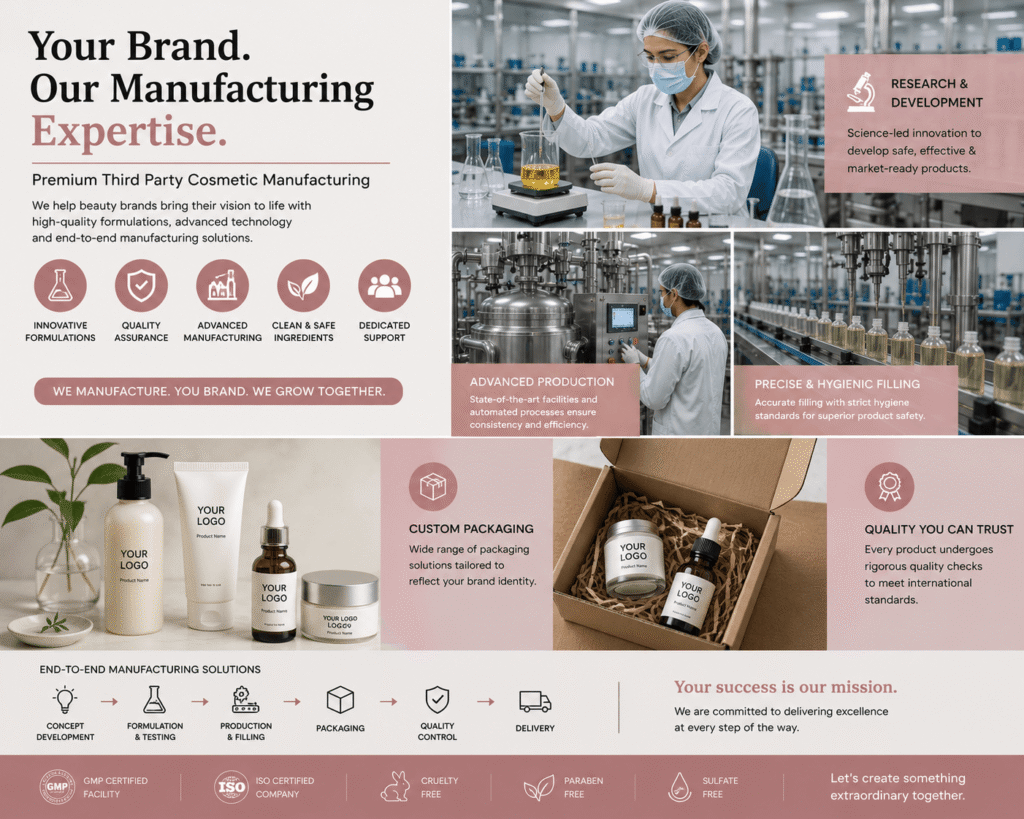
For startup brands
- low batch planning and manageable MOQ
- support with white label cosmetics or semi-custom formulas
- packaging coordination and label-ready guidance
- brand launch support with practical category selection
For scaling brands
- repeatable batch quality
- faster procurement planning
- multi-SKU production sequencing
- support for wider pan-India supply
One common mistake I’ve seen in Indian cosmetics for years: founders try to launch too many SKUs together. If you’ve tried that and it didn’t work, read this carefully. A tighter launch with 3 to 5 strong products usually performs better than a scattered 12-product range. A useful reference for category expansion is this page on skin care third party cosmetics products manufacturer.
Get a Quote for Cosmetic Manufacturers
Navigating Regulatory Compliance & Quality Standards
The best answer to “How important is compliance?” is simple: it affects whether your brand can scale safely. In India, cosmetics manufacturing cannot be treated casually. Depending on the product type, documentation and applicable standards may involve state FDA processes, GMP expectations, ISO-driven quality systems, and AYUSH pathways for Ayurvedic cosmetics.
Yes, Jack Cosmetics works within these practical expectations with ISO Certified and GMP Certified operations, FDA approval wherever applicable, and AYUSH alignment for Ayurvedic products. The company also highlights cruelty-free, eco-friendly, and Make in India commitments, which matter increasingly for modern retail and D2C positioning.
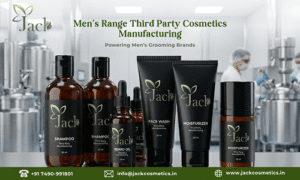
For founders entering men’s products, this resource is useful for understanding category fit and positioning: men’s range third party cosmetic product manufacturer. Men’s grooming range projects often move quickly in cities like Mumbai and Pune, but the backend still needs proper ingredient control, packaging compatibility, and claim discipline.
A practical compliance checklist usually includes:
- raw material verification
- microbial and quality checks
- batch manufacturing records
- label review and claim sanity check
- packaging stability where needed
- traceable documentation for repeat orders
A second common mistake is assuming “natural” means “easy.” It does not. Natural & organic cosmetics and Ayurvedic cosmetics may require even more formulation care because texture, preservation, fragrance balance, and shelf performance can change quickly in Indian weather conditions.
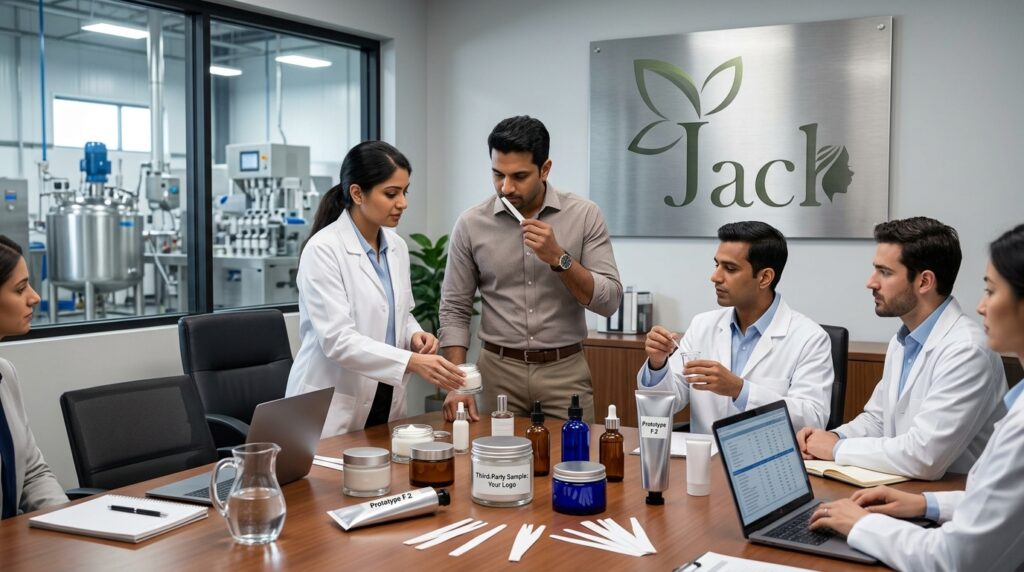
Local Manufacturers vs Jack Cosmetics
Here’s how Jack Cosmetics compares when buyers evaluate local options for Contract Manufacturing Cosmetics in Ahmedabad and nearby industrial clusters.
| Factor | Typical Small Local Unit | Jack Cosmetic Pvt. Ltd. |
|---|---|---|
| Product range | Often limited to 1–2 categories | Supports skin, hair, body, lip, sun, personal care and related segments |
| Custom formulation | Basic or limited | Structured custom formulation support |
| Certifications | May vary or be incomplete | ISO certified, GMP certified, FDA applicable, AYUSH for relevant lines |
| MOQ flexibility | Can be inconsistent | Built for startup and scale-stage needs |
| Quality control | Varies by batch and team | Strict quality control with documented process |
| Brand launch support | Minimal | Guidance for startup cosmetics brand and expansion planning |
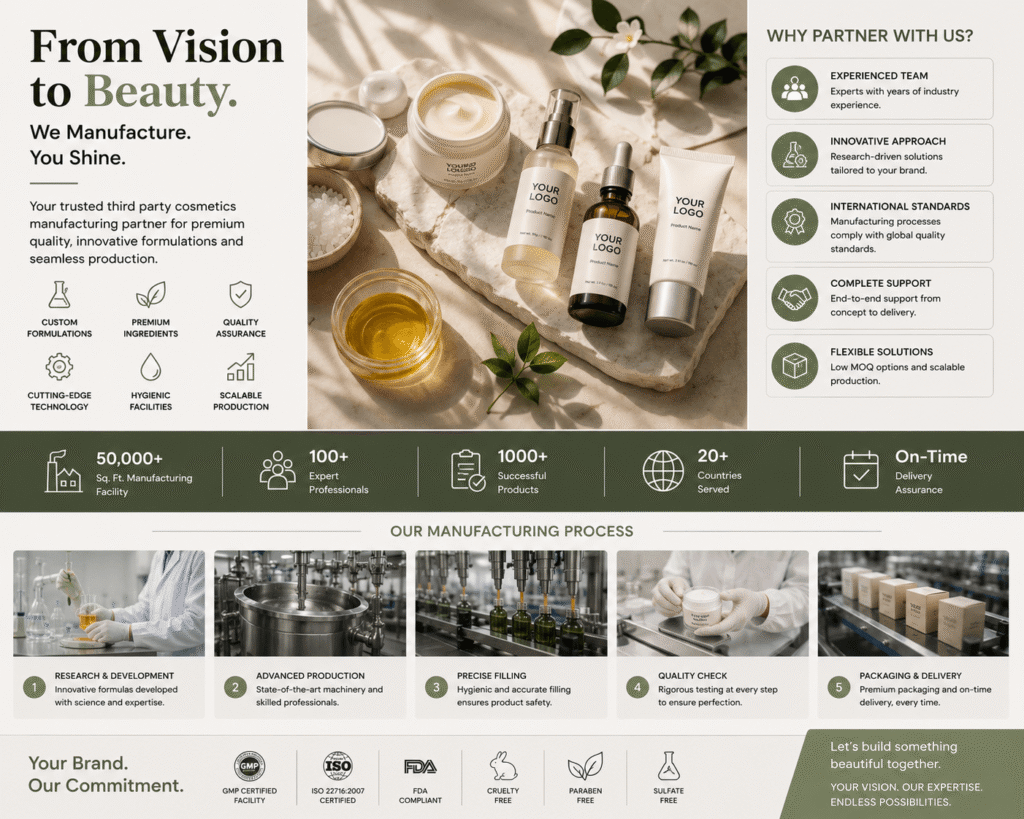
Step-by-Step Process – How We Deliver Cosmetic Manufacturers
Here’s how Jack Cosmetics typically supports a project from idea to dispatch. This matters whether you are a startup cosmetics brand in Chennai or a distributor-led brand in Hyderabad.
1. Requirement mapping
The first step is understanding category, price point, market, and target consumer. A premium face serum for Kolkata boutiques is not planned the same way as a mass retail body lotion for Indore.
2. Formula selection or development
Brands can choose white label cosmetics, adapt an existing base, or request custom formulation. This is often where product texture, fragrance profile, claims, and packaging format take shape.
3. Sampling and approvals
Samples are tested for look, feel, spreadability, fragrance, and consumer fit. If you want help at this stage, the direct page is here: contact Jack Cosmetics.
4. Compliance and packaging alignment
Labels, artwork inputs, product claims, and category-specific documentation are reviewed. This step becomes especially important for sun care, herbal lines, and problem-solution products.
5. Production, QC, and dispatch
After approvals, batches move to manufacturing, filling, packing, and final release. Reliable partners plan for on-time delivery, especially for festive launches and retailer commitments.
Real Client Case Study
The best proof of manufacturing strength is repeatable business. One anonymized client, “Brand S,” came from Ahmedabad with a simple plan: launch a body lotion, face wash, and hair serum under one regional beauty label. Their first challenge was not demand. It was confusion around MOQ, packaging sourcing, and whether one manufacturer could support multiple categories without quality drift.
Working with Jack Cosmetics, the brand began with three focused SKUs instead of eight. The team aligned formula texture with local climate needs, improved packaging practicality, and planned dispatch in a phased manner for Ahmedabad, Surat, and Vadodara. Within six months, repeat purchase data from salon partners justified expansion into a men’s grooming range. That kind of phased scale is often healthier than an overbuilt first launch.
Here’s what to do next if you are evaluating suppliers:
- ask for category-specific capability, not generic claims
- confirm documentation flow early
- test one hero SKU before full range expansion
- compare quality systems, not just quoted price
- request a Free Formulation Consultation and Download our Private Label Cost Guide before locking commercial assumptions
FAQs
1. What is the difference between private label and third party manufacturing?
- Private label usually means you select from ready or semi-ready formulations and launch under your brand. Third party cosmetics manufacturing often includes custom or semi-custom development, packaging coordination, and production support.
2. Is Ahmedabad a good location for cosmetic manufacturing?
- Yes. Ahmedabad offers industrial infrastructure, access to logistics, and strong supplier networks, which is why many brands explore Contract Manufacturing Cosmetics in Ahmedabad.
3. Can a startup brand launch with small quantities?
- Yes. A structured low MOQ cosmetics manufacturer can help startups begin with fewer SKUs and lower risk.
4. Do cosmetic manufacturers help with Ayurvedic products?
- Yes, for relevant lines, AYUSH-related pathways and formulation considerations matter, especially for Ayurvedic cosmetics.
5. Which products are commonly outsourced in India?
- Skin care, hair care, body care, lip care, men’s grooming, sun care products, and personal care items are commonly outsourced.
6. How do I verify a GMP certified cosmetics manufacturer?
- Check certifications, process documentation, QC approach, facility standards, and consistency in sample-to-batch performance.
7. What should I ask before finalizing a manufacturer?
- Ask about MOQ, formulation support, testing, lead time, packaging compatibility, compliance documentation, and scale-up ability.