Oral Health Care Manufacturing: A Practical Guide for Global Cosmetic Brands: Jack Cosmetic Pvt. Ltd.
Introduction
The global cosmetic industry has rapidly evolved, with brands shifting from in-house production to private-label and third-party manufacturing, particularly in Oral Health Care. In markets like India, the USA, and the UK, brands face strict regulations, shorter product lifecycles, and rising competition. Export-oriented businesses must also meet diverse international standards, increasing complexity. To solve quality issues with expert oral care manufacturing, many brands rely on experienced partners like Jack Cosmetic Pvt. Ltd., ensuring consistent production, compliance readiness, and scalable solutions for growing cosmetic businesses.
At the same time, oral care products—ranging from toothpaste to mouthwash and herbal formulations—have become a core category for cosmetic manufacturers. For many brands, outsourcing Oral Health Care production to experienced manufacturers is a practical and scalable solution.
Changing Needs of Modern Cosmetic Brands (Global View)
Modern cosmetic brands operate in a fast-paced and highly competitive environment. Product development cycles are shorter, and brands must respond quickly to changing consumer preferences.
In cosmetic manufacturing environments, companies are increasingly required to:
- Launch products faster without compromising quality
- Align with clean beauty and ingredient transparency trends
- Develop export-ready formulations
- Maintain consistency across multiple batches
Brands operating in export markets often face additional challenges. For example, a product accepted in India may require modifications to meet compliance expectations in Europe or the UAE.
These evolving demands have made third-party manufacturing a strategic choice rather than just a cost-saving option.
What Is an Oral Health Care Product?
In cosmetic industry terms, Oral Health Care refers to products designed for daily oral hygiene and maintenance. These include toothpaste, tooth powders, mouthwashes, gels, and herbal oral formulations.
These products are formulated to support routine oral care practices such as cleaning, refreshing, and maintaining hygiene. From a manufacturing perspective, the focus is on:
- Ingredient compatibility
- Taste and texture balance
- Stability over time
- Consumer usability
Experienced cosmetic manufacturers understand that oral care products must meet both functional and sensory expectations without making unrealistic claims.
Why Brands Prefer Third-Party Manufacturing for Oral Health Care
Third-party manufacturing offers a practical solution for brands that want to focus on marketing, branding, and distribution while outsourcing production.
Key advantages include:
- Reduced Setup Costs: Setting up a manufacturing facility requires significant investment in machinery, compliance, and skilled labor. Outsourcing eliminates these initial costs.
- Faster Go-to-Market: Manufacturers with ready infrastructure can accelerate product development and production timelines.
- Regulatory Support: Manufacturers often assist with documentation, labeling, and compliance processes required for domestic and export markets.
- For example, a startup launching a herbal toothpaste in India can partner with a manufacturer to quickly enter the market without building its own facility.
Formulation Quality, Stability & Performance
Formulation quality plays a critical role in Oral Health Care manufacturing. It is not just about ingredient selection—it is about how those ingredients interact over time.
In cosmetic manufacturing environments, stability testing ensures that:
- The product maintains consistency in texture and appearance
- Ingredients do not separate or degrade
- Shelf life remains predictable
Balanced formulations also help maintain user experience, including taste, spreadability, and overall usability.
Expanding Beyond Oral Health Care: Integrated Personal & Body Care Manufacturing
In cosmetic manufacturing environments, brands rarely operate within a single category. Alongside Oral Health Care, there is growing demand for personal care and body care products such as body lotions, face washes, shampoos, and hygiene-focused formulations.
For D2C startupsand export-focused businesses, integrating personal and body care manufacturing with oral care production enables faster portfolio expansion, better brand positioning, and more efficient supply chain coordination without compromising on product quality or regulatory readiness.
Safety, Compliance & Regulatory Readiness
Safety and compliance are essential aspects of cosmetic manufacturing, especially for oral care products.
Manufacturers must ensure:
- Proper safety testing and quality checks
- Accurate ingredient labeling
- Compliance with regional cosmetic regulations
Brands operating in markets like the USA or Europe must be particularly cautious about ingredient declarations and labeling formats. Similarly, export markets such as Saudi Arabia and the UAE often require additional documentation and product approvals.
While regulations vary, maintaining a compliance-ready approach helps brands avoid delays and rework.
Packaging, Branding & Customization Flexibility
Packaging plays a key role in the success of Oral Health Care products. It must be compatible with the formulation and suitable for transportation.
Manufacturers typically support:
- Tube, bottle, or sachet packaging options
- Branding and label design alignment
- Customization based on target markets
For example, a product intended for Southeast Asian markets like Malaysia or Indonesia may require different packaging preferences compared to European markets.
You can also explore detailed insights and industry perspectives on cosmetic manufacturing trends through platforms like Medium.com.
Manufacturing Technology & Quality Control
Reliable manufacturing depends on both technology and process control.
Experienced cosmetic manufacturers use:
- Standardized production systems
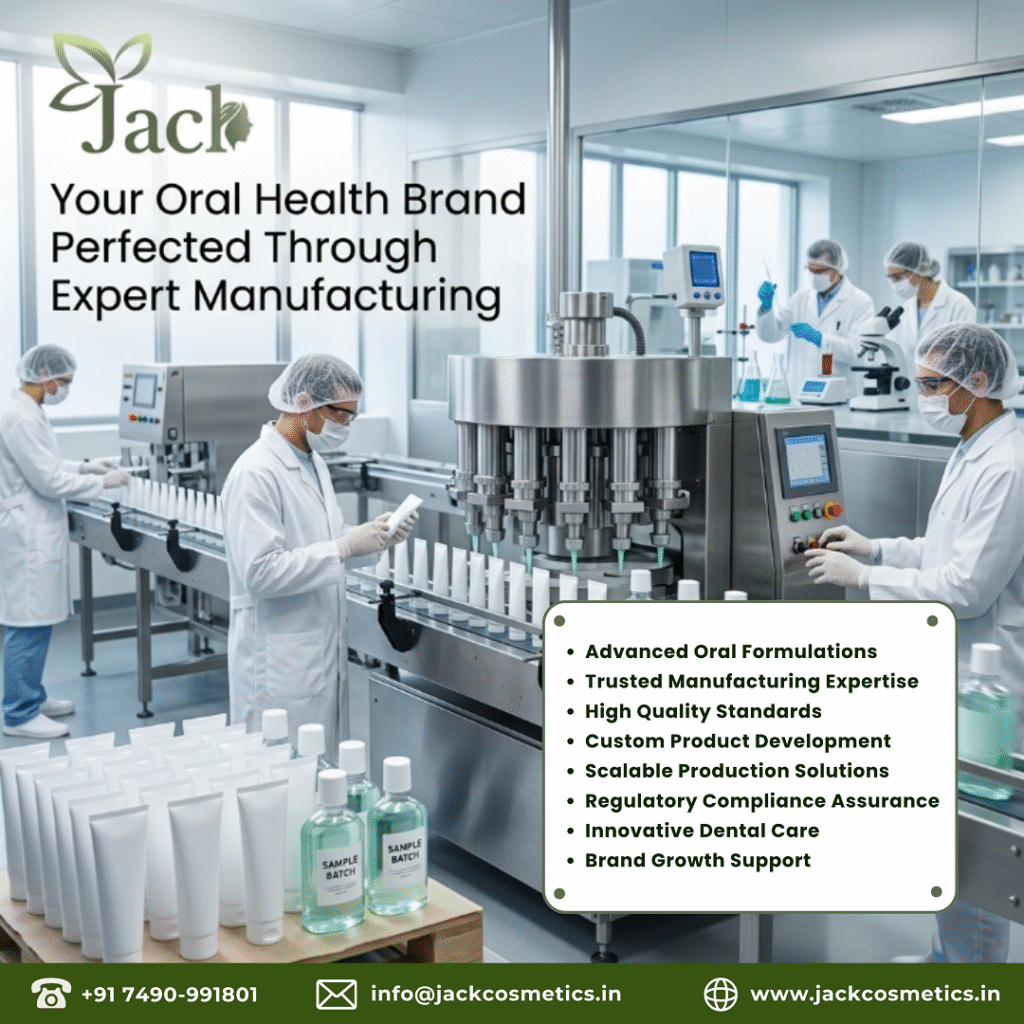
- Controlled mixing and filling processes
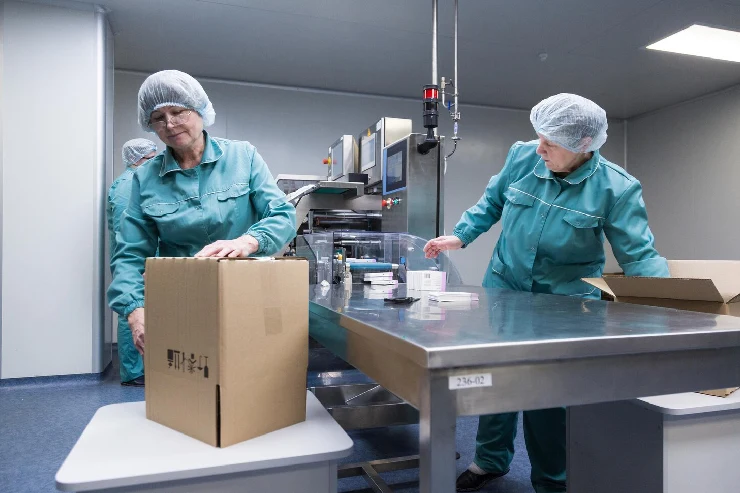
- Hygiene-focused production environments
Batch consistency is critical. Every unit produced must match the approved formulation and quality standards.
Scalability & Supply Chain Reliability
Scalability is one of the key advantages of third-party manufacturing.
Brands can start with smaller batches and gradually increase production based on demand. This is especially useful for:
- D2C startups testing new products
- Exporters expanding into new regions
- Distributors managing seasonal demand
Supply chain reliability also ensures that raw materials and packaging components are consistently available.
Cost Efficiency for Growing Cosmetic Brands
Cost efficiency in manufacturing is not just about price—it is about long-term value.
Reliable manufacturing helps reduce:
- Product rework
- Batch failures
- Delays in production
Experienced cosmetic manufacturers understand that predictable quality leads to better operational efficiency and brand reputation.
Export Readiness & International Market Acceptance
Export-ready Oral Health Care products require more than just good formulation.
Brands must consider:
- Documentation and certifications
- Labeling compliance
- Buyer audits and inspections
For example, distributors in Canada or Australia often evaluate product consistency and documentation before onboarding new suppliers.
Integration into Brand Business Model
Third-party manufacturing integrates seamlessly into different business models:
- D2C Brands: Focus on branding and digital marketing while outsourcing production.
- Distributor-Led Models: Manufacturers support bulk production for regional distribution.
- International Expansion: Exporters rely on manufacturers for compliance-ready products.
This flexibility allows brands to scale without operational complexity.
For practical discussions and real-world perspectives on product development and manufacturing processes, platforms like Dev.to also offer valuable insights.
Training, Documentation & Ongoing Support
Manufacturing partnerships go beyond production.
Manufacturers often provide:
- Product knowledge and usage guidelines
- Documentation for compliance and export
- Ongoing support for product improvements
This ensures long-term collaboration and smoother operations.
Why Choosing the Right Third-Party Manufacturer Matters
Selecting the right manufacturing partner is a critical decision.
Brands should evaluate:
- Manufacturing experience
- Understanding of regulatory requirements
- Consistency in quality and supply
Experienced cosmetic manufacturers understand that long-term partnerships are built on reliability and transparency.
About Jack Cosmetic Pvt. Ltd
Jack Cosmetic Pvt. Ltd is an experienced third-party cosmetic manufacturer serving both Indian and international markets. The company supports brands across various product categories, including Oral Health Care, with a focus on quality, compliance, and scalable production.
For more information, you can explore their official website: 👉 https://www.jackcosmetics.in/
Conclusion
Oral Health Care remains a vital category in the global cosmetic industry. For brands aiming to launch or expand in this segment, third-party manufacturing offers a practical and scalable approach.
From formulation and compliance to packaging and export readiness, working with an experienced manufacturer helps simplify complex processes. For brand owners, distributors, and exporters, the focus can remain on growth while manufacturing is handled by experts.
Key Takeaways
- Product Quality & Consistency
- Regulatory & Safety Readiness
- Faster Market Entry
- Scalable Manufacturing
- Global Cosmetic Market Demand
Trending FAQs
1. What is third-party Oral Health Care manufacturing?
- It refers to outsourcing the production of oral care products to a specialized cosmetic manufacturer.
2. What is the typical shelf life of Oral Health Care products?
- Shelf life varies based on formulation and packaging but is usually determined through stability testing.
3. Can Oral Health Care products be exported globally?
- Yes, but they must meet the regulatory and labeling requirements of the target country.
4. What is the difference between private label and third-party manufacturing?
- Private label involves ready formulations, while third-party manufacturing may include custom product development.
5. How do manufacturers ensure product quality?
- Through controlled production processes, testing, and quality checks at different stages.
#ThirdPartyCosmeticManufacturing #PrivateLabelCosmetics #CosmeticManufacturer #SkincareManufacturing #JackCosmetic #CosmeticExport #BeautyBrandStartup #GlobalCosmetics