Body Care Manufacturing Guide for Modern Cosmetic Brands: Jack Cosmetic Pvt. Ltd.
Introduction
The global cosmetic industry has transformed rapidly, driven by evolving consumer demands, digital-first brands, and stricter regulations. Body care products now reflect brand identity, ingredient transparency, and performance. Markets like India, the United States, and the United Kingdom are seeing a surge in private-label and D2C brands. Companies like Jack Cosmetic Pvt. Ltd. help businesses scale efficiently, offering key benefits of third party cosmetic manufacturing such as cost-effective production, faster time-to-market, regulatory compliance support, access to advanced technology, and scalable manufacturing capacity.
In this context, Body Care products—including body lotions, washes, scrubs, and creams—have become a widely manufactured category through third-party cosmetic manufacturers, enabling brands to focus on growth rather than production complexities.
Changing Needs of Modern Cosmetic Brands (Global View)
Modern cosmetic brands operate in a fast-moving environment where timelines are shorter and expectations are higher.
Key shifts include:
- Faster product development cycles
- Demand for “clean label” and transparent ingredient sourcing
- Export-ready formulations for multiple markets
- Consistent product quality across batches
Brands operating in export markets often face challenges such as adapting formulations for different climates (e.g., humid regions like Southeast Asia vs. dry regions like the UAE) and meeting diverse regulatory expectations.
Indian cosmetic startups, in particular, are now competing globally, which requires a strong manufacturing backbone capable of handling both domestic and international requirements.
What Is a Body Care?
In cosmetic manufacturing terms, Body Care refers to a category of formulations designed for cleansing, moisturizing, and maintaining the overall condition of the skin on the body.
These products may include:
- Body lotions
- Shower gels
- Body scrubs
- Creams and butters
Unlike facial products, body care formulations are typically designed for larger surface application and must balance spreadability, absorption, and stability.
Consumer expectations focus on:
- Pleasant texture
- Easy application
- Stable shelf life
- Consistent sensory experience
Why Brands Prefer Third-Party Manufacturing for Body Care
Third-party manufacturing has become a practical solution for cosmetic brands aiming to scale efficiently.
Key advantages include:
- Reduced infrastructure investment: No need to set up manufacturing units
- Faster go-to-market: Pre-established processes and formulation libraries
- Regulatory support: Assistance with documentation and labeling
For example, a startup launching a body lotion line can avoid the complexities of sourcing raw materials, validating formulations, and managing production—by partnering with an experienced manufacturer.
Experienced cosmetic manufacturers understand that brands need both flexibility and reliability, especially during early growth stages.
For advanced marketing automation and customer engagement strategies that support brand growth, platforms like Mailchimp can be useful.
Formulation Quality, Stability & Performance
In cosmetic manufacturing environments, formulation quality is not just about ingredients—it’s about balance.
Important factors include:
- Ingredient compatibility
- Texture consistency across batches
- Shelf stability under varying conditions
A well-formulated body care product must maintain its structure, fragrance, and usability over time, whether stored in tropical climates like India or cooler environments like Europe.
Stability testing plays a crucial role in ensuring the product performs consistently throughout its shelf life.
Safety, Compliance & Regulatory Readiness
Safety and compliance are essential in both domestic and international cosmetic markets.
This includes:
- Product safety testing (microbial, stability, compatibility)
- Accurate labeling as per regulatory guidelines
- Documentation for export markets
Brands exporting to regions like the UK or the EU often require additional documentation such as ingredient declarations and safety assessments.
While requirements vary by country, a strong understanding of compliance ensures smoother product approvals and market entry.
For strengthening knowledge in regulatory systems, quality management, and global compliance standards, online learning platforms like edX offer valuable professional courses.
Packaging, Branding & Customization Flexibility
Packaging plays a key role in how consumers perceive body care products.
Considerations include:
- Compatibility with formulation (avoiding leakage or degradation)
- Ease of use (pump bottles, tubes, jars)
- Branding alignment with target market
For example, minimal packaging designs may work well in European markets, while premium finishes are often preferred in regions like the UAE.
Customization flexibility allows brands to adapt packaging and formulation based on their target audience.
Smart Product Expansion Through Third-Party Manufacturing
Along with Body Care Third Party Cosmetic Manufacturing, brands can also explore a complete range of skincare and personal care solutions including body lotion, body butter, shower gel, body wash, moisturizing creams, scrubs, face wash, sunscreen, and anti-aging formulations. These products are developed through private label manufacturing, custom formulation services, bulk production support, packaging solutions, and regulatory assistance, helping brands launch faster in the market with consistent quality and scalable production under Jack Cosmetic Pvt. Ltd.
Manufacturing Technology & Quality Control
Reliable manufacturing processes are the backbone of consistent product delivery.
This includes:
- Controlled mixing and homogenization processes
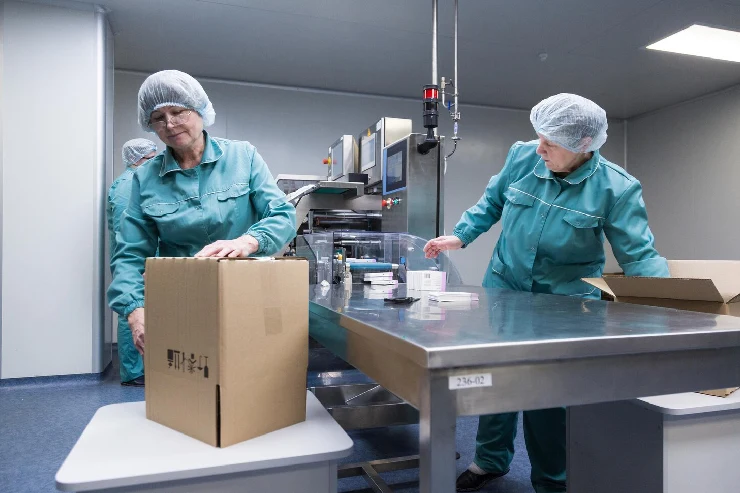
- Hygienic production environments
- Batch-wise quality checks
In cosmetic manufacturing environments, maintaining hygiene and process consistency directly impacts product safety and brand reputation.
Scalability & Supply Chain Reliability
As brands grow, their manufacturing needs evolve.
A reliable third-party manufacturer should be able to:
- Scale from small batches to large-volume production
- Maintain raw material availability
- Ensure timely delivery
Brands operating in export markets like Canada or Australia often rely on consistent supply chains to meet distributor expectations.
Cost Efficiency for Growing Cosmetic Brands
Cost efficiency in cosmetic manufacturing is not just about price—it’s about long-term value.
This includes:
- Reduced formulation errors
- Stable production processes
- Minimal product returns or rework
Predictable quality leads to better brand trust and fewer operational disruptions.
Export Readiness & International Market Acceptance
Export readiness is a critical factor for cosmetic brands targeting global markets.
Important aspects include:
- Export-friendly formulations
- Proper documentation
- Ability to meet buyer audits
Distributors in regions like Southeast Asia and the Middle East often evaluate manufacturers based on consistency, documentation, and compliance readiness.
Integration into Brand Business Model
Third-party manufacturing fits into multiple business models:
- D2C brands: Focus on marketing and customer acquisition
- Distributor-led brands: Emphasize supply consistency
- Export traders: Require scalable and compliant production
This flexibility allows brands to adapt quickly without being limited by manufacturing constraints.
Training, Documentation & Ongoing Support
A strong manufacturing partner provides more than production support.
This includes:
- Product usage guidance
- Documentation for regulatory submissions
- Ongoing technical assistance
Long-term partnerships often result in smoother operations and better product consistency.
Why Choosing the Right Third-Party Manufacturer Matters
Choosing the right manufacturer can significantly impact a brand’s success.
Key factors to consider:
- Manufacturing experience
- Understanding of global regulations
- Ability to maintain consistent quality
Brands operating in export markets often face challenges when manufacturers lack proper documentation or consistency.
About Jack Cosmetic Pvt. Ltd
Jack Cosmetic Pvt. Ltd is an experienced third-party cosmetic manufacturer supporting both Indian and international markets. The company works with brands across multiple categories, including body care, skincare, and herbal formulations.
With a focus on manufacturing consistency, regulatory awareness, and scalable production, they support businesses ranging from startups to established exporters.
Learn more at: 👉 https://www.jackcosmetics.in/
Conclusion
The Body Care category continues to grow as consumer demand expands across both domestic and global markets.
For cosmetic brands, success depends on:
- Consistent product quality
- Regulatory readiness
- Scalable manufacturing
Third-party manufacturing offers a practical pathway to achieve these goals while allowing brands to focus on innovation and market expansion.
A structured approach to formulation, compliance, and production can help brands build long-term credibility in competitive cosmetic markets.
Key Takeaways
- Product Quality & Consistency
- Regulatory & Safety Readiness
- Faster Market Entry
- Scalable Manufacturing
- Global Cosmetic Market Demand
FAQs
1. What is third-party manufacturing in Body Care products?
- It refers to outsourcing product formulation and production to a specialized manufacturer while the brand focuses on marketing and sales.
2. What is the typical shelf life of body care products?
- Shelf life varies depending on formulation and packaging but is generally determined through stability testing.
3. Can body care products be customized for export markets?
- Yes, formulations and packaging can be adapted to meet specific market requirements.
4. What is the difference between private label and third-party manufacturing?
- Private label uses pre-developed formulations, while third-party manufacturing may involve custom product development.
5. What regulatory considerations are important for exports?
- Labeling accuracy, ingredient compliance, and documentation are key factors.
#ThirdPartyCosmeticManufacturing #PrivateLabelCosmetics #CosmeticManufacturer #SkincareManufacturing #JackCosmetic #CosmeticExport #BeautyBrandStartup #GlobalCosmetics