Sun Care Manufacturing Solutions for Modern Cosmetic Brands: Jack Cosmetic Pvt. Ltd
Introduction
The global beauty and personal care industry has undergone rapid transformation over the past decade. Sun Care products, which were once considered seasonal, are now daily essentials across markets such as India, the USA, and the UK. Today’s consumers are more informed and discerning, expecting safe, consistent, and well-developed formulations. This shift has increased the demand for Sun Care Manufacturing Designed for Modern Brand Needs, where efficiency, compliance, and quality are paramount. Experienced third-party manufacturers like Jack Cosmetic Pvt. Ltd play a critical role in helping brands meet these evolving expectations.
At the same time, private-label and own-brand cosmetics are expanding as new enterprises enter the market with specialized product focuses. However, regulatory scrutiny, ensuring batch-to-batch formulation consistency, and achieving brand differentiation remain significant challenges—especially for labels aiming to export products to Europe, the Middle East, and Southeast Asia.
Shifting Demands of Contemporary Cosmetic Brands (Global Perspective)
In today’s fast-paced cosmetic industry, brands face increasing pressure to launch products quickly while maintaining high standards. The modern consumer expects transparency, clean-label ingredients, and products that align with sustainability and ethical practices.
Brands increasingly require:
- Quicker product development timelines for private label or third-party Sun Care products
- Formulations featuring natural, herbal, or clean ingredients
- Compliance with international standards for export-ready cosmetic products
- Uniform product quality and scalability across multiple production batches
Companies operating in overseas markets frequently encounter added complexities. For example, a formulation acceptable in India may need adjustments for export to countries like the US FDA Cosmetics Guidance UK, UAE, or Australia, due to ingredient regulations, labeling norms, or packaging requirements.
In cosmetic manufacturing environments, balancing speed with compliance is a primary operational challenge. Partnering with a reliable third-party manufacturer helps brands reduce risks associated with formulation errors, compliance issues, and delayed product launches.
What Is Sun Care?
Sun Care refers to cosmetic products designed to provide daily skin maintenance and protection when exposed to environmental factors like sunlight, heat, and pollution.
Common Sun Care product formats include:
- Creams and body lotions
- Serums and facial gels
- Cleansers or face washes with protective properties
- Herbal and Ayurvedic-inspired formulations
From a manufacturing perspective, Sun Care products must meet consumer expectations for texture, stability, and ease of use, ensuring suitability across diverse skin types without making medical or dermatological claims. Experienced manufacturers focus on balancing formulation efficacy with market-ready presentation, ensuring the products are reliable, safe, and export-compliant.
Why Brands Prefer Third-Party Manufacturing for Sun Care
Establishing an in-house cosmetic production facility involves significant capital investment, technical expertise, and regulatory approvals. Many cosmetic startups, EU Cosmetics Regulation, D2C brands, and export-focused labels find third-party manufacturing a practical alternative.
Benefits include:
- Reduced infrastructure and setup costs
- Access to established formulation expertise
- Faster time-to-market without compromising product quality
For instance, a D2C skincare startup in India can launch a Sun Care product line within weeks rather than months by partnering with a manufacturer like Jack Cosmetic Pvt. Ltd. This allows the brand to focus on branding, marketing, and distribution, while relying on an experienced production partner for consistent execution.
Experienced cosmetic manufacturers understand that brand success depends not just on innovative formulations but also on reliable production, compliance adherence, and batch consistency.
Production Challenges in Sun Care Manufacturing
Manufacturing Sun Care products involves several technical considerations:
- Formulation stability: Ensuring products maintain consistency under different temperatures and environmental conditions
- Packaging compatibility: Using containers that preserve product integrity and shelf life
- Raw material sourcing: Procuring high-quality ingredients that meet regulatory standards for both domestic and international markets
- Batch consistency: Maintaining uniform quality across large-scale production
Brands operating in global markets often face additional hurdles, such as ingredient restrictions in the EU or labeling regulations in the Middle East. Experienced third-party manufacturers are equipped to navigate these complexities and ensure products meet the expectations of export buyers.
Insights shared on Wired highlight that brands benefit from advanced manufacturing processes to improve product performance and consistency. In sun care manufacturing, third-party partners help ensure stable formulations and faster product development cycles.
Safety, Compliance & Regulatory Readiness
Ensuring product safety is a non-negotiable aspect of cosmetic manufacturing. Compliance with global standards is crucial for gaining consumer trust and meeting export regulations.
Key considerations for Sun Care manufacturing include:
- Stability and compatibility testing of the product formulation
- Verification of ingredient acceptability based on export market requirements
- Accurate labeling using INCI names, batch numbers, and usage instructions
Brands targeting markets like Europe, Canada, UAE, and Australia must ensure their documentation meets local expectations. Middle Eastern markets, including Saudi Arabia and Qatar, often require clear labeling and traceability.
Meeting these compliance requirements is an ongoing process. Reliable manufacturers conduct continuous quality checks and regulatory updates to minimize risks of recalls, non-compliance, or shipment delays.
Scalability & Supply Chain Reliability
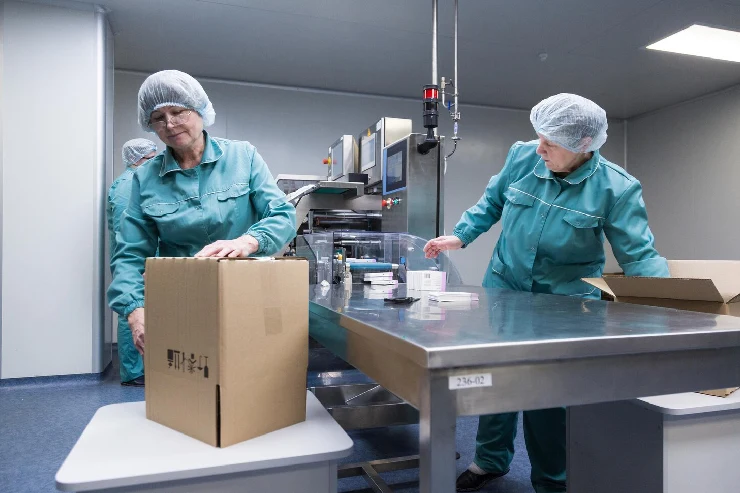
Scalability is essential for cosmetic brands as they expand domestically or internationally. A product that performs well in small batches must maintain the same quality when produced at a larger scale.
A dependable third-party manufacturer ensures:
- Batch-to-batch consistency across small and large production runs
- Controlled and verified raw material sourcing
- Production capability to meet both domestic and export demand
For distributors in regions such as Southeast Asia, Africa, or Latin America, consistent supply is often more critical than rapid expansion, as it builds trust with retailers and consumers.
Industry perspectives from ZDNet suggest that outsourcing production enhances scalability and operational efficiency. For sun care brands, this allows better quality control while adapting quickly to market demands.
Cost Efficiency for Growing Cosmetic Brands
In cosmetic production, cost efficiency relates to long-term operational value, rather than just upfront expenses. Third-party manufacturing allows brands to:
- Reduce formulation errors and minimize rework
- Benefit from stable and predictable production processes
- Maintain consistent product quality for export and domestic markets
In cosmetic manufacturing environments, avoiding inconsistencies can save substantial costs over time and improve brand credibility.
Research-driven content on CNET indicates that leveraging expert manufacturing infrastructure reduces costs and accelerates market entry. Third-party manufacturing helps sun care brands maintain compliance and consistent output across batches.
Export Readiness & International Market Acceptance
Exporting Sun Care products requires compliance with global standards in formulation, packaging, and documentation.
Buyers in markets like the UK, Australia, and Canada evaluate:
- Ingredient transparency and safety
- Packaging durability and tamper-proof features
- Shelf-life stability data
Brands aiming to enter Latin American or African markets also require flexible packaging options and logistics planning to ensure smooth distribution.
Third-party manufacturers like Jack Cosmetic Pvt. Ltd provide comprehensive support for export-ready Sun Care products, helping brands navigate international market demands effectively.
Choosing the Right Third-Party Manufacturer
Selecting the right manufacturing partner directly impacts product quality, brand reputation, and compliance. Key factors to consider include:
- Proven experience in Sun Care and skincare manufacturing
- Expertise in global regulatory requirements
- Capability to provide consistent technical support
Experienced manufacturers understand that each brand has unique positioning, and production must reflect both the brand identity and market requirements. A reliable partner ensures smoother operations, faster launches, and long-term scalability.
Turn your Sun Care ideas into market-ready products with Jack Cosmetic Pvt. Ltd. — your trusted manufacturing partner.
About Jack Cosmetic Pvt. Ltd
Jack Cosmetic Pvt. Ltd is an experienced third-party cosmetic manufacturer supporting brands across India and global markets. With expertise in Sun Care, herbal cosmetics, face creams, body lotions, serums, and Ayurvedic products, they help brands meet formulation, production, and compliance requirements efficiently.
For more information, visit their official website: 👉 Jack Cosmetic Pvt. Ltd
Their services are designed to support D2C brands, private-label cosmetics, and exporters seeking reliable and scalable manufacturing solutions.
Conclusion
Sun Care products have become a crucial segment in modern cosmetic portfolios due to rising global demand and increased consumer awareness. For brand owners, startups, and exporters, third-party manufacturing offers a structured, reliable path to launch and scale products while avoiding operational complexity.
Choosing the right manufacturing partner ensures not only product availability but also batch consistency, regulatory compliance, and international market acceptance, helping brands achieve sustainable growth.
Key Takeaways
Product Quality & Consistency: Maintain uniformity across batches
Regulatory & Safety Readiness: Ensure global compliance for export markets
Faster Market Entry: Reduce time-to-market with reliable manufacturing
Scalable Production: Adapt to small and large batch requirements
Global Cosmetic Market Demand: Cater to evolving international consumer needs
FAQs
1. What is involved in Sun Care manufacturing?
- It includes formulation development, stability testing, batch production, and packaging that complies with cosmetic standards.
2. What is the typical shelf life of Sun Care products?
- Most products last 24–36 months, depending on the formulation and packaging used.
3. Can Sun Care products be exported easily?
- Yes, but they must comply with ingredient, labeling, and documentation standards for the target country.
4. What is the difference between private label and third-party manufacturing?
- Private label involves ready-made formulations, whereas third-party manufacturing may include fully customized product development.
5. How do manufacturers ensure product stability?
- Through controlled formulation processes, compatibility testing, and stability trials under various environmental conditions.
#ThirdPartyCosmeticManufacturing #PrivateLabelCosmetics #CosmeticManufacturer #SkincareManufacturing #JackCosmetic #CosmeticExport #BeautyBrandStartup #GlobalCosmetics